By Hannah Andrews
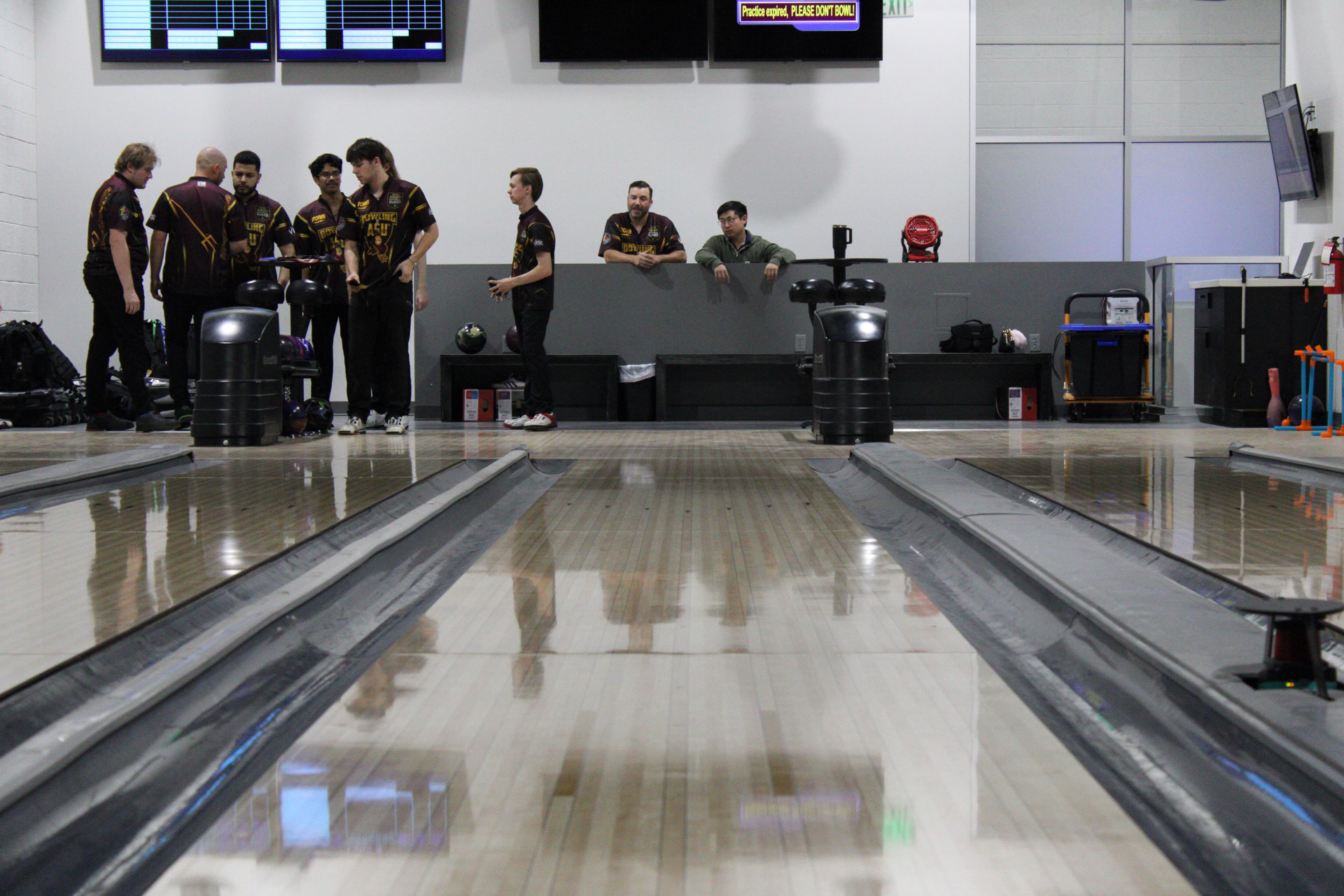
The Arizona State University bowling team left plenty of insight and valuable information into the life of Generation Z bowlers.
Speaking with the head Coach, Jason Schmidt, as well as several of his players, the future of bowling for college students seems to be in safe hands.
A typical practice of the team included laughter, friendly commentary and deep analysis of every shot.
In an interview with Schmidt, he shared details on how bowling positively impacts these college students he works with.
“There’s a lot more mental challenges that help them grow… lots of them are very passionate about the sport,” Schmidt said.
The camaraderie ASU’s Bowling Club shares has allowed for a good space to enhance their bowling skills.
The team’s success has also inspired another goal to have a successful women’s team for upcoming seasons.
“We’re trying to start a team next year… we have two to three females committed now,” Schmidt said.
A 2015 relaunch of the Professional Women’s Bowling Association has also led to a vibrance in women’s bowling.
The PWBA has been able to award hundreds of women bowlers with millions of dollars in prize money.
The team carried along a similar message throughout: money can be a determining factor for people looking to bowl.
According to Schmidt, the team even has a fundraiser called “Keep it Rollin’ for Bowling” to help with equipment and travel costs for athletes.
Jason Schmidt shared more information about the outlook of his team in the mini podcast below.
Aliyas Sargento, a player with the club, says that people looking to play professionally have to be willing to “shell out a lot of cash.”
“Bowling balls and just bowling equipment in general is just so expensive,” Sargento said.
Although there are high expenses associated with the sport, the players do not let that stop them.
Alongside the fundraiser, the boys have even held part time jobs to help out.
In an interview with KeShaun Johnson with ASU Bowling, he spoke about how he supported himself, as well as other thoughts he had on the sport.
The team often shared joyful moments in their practices, traveling between B3 Performance for professional bowlers, and a Lucky Strike bowling alley for more casual practices.
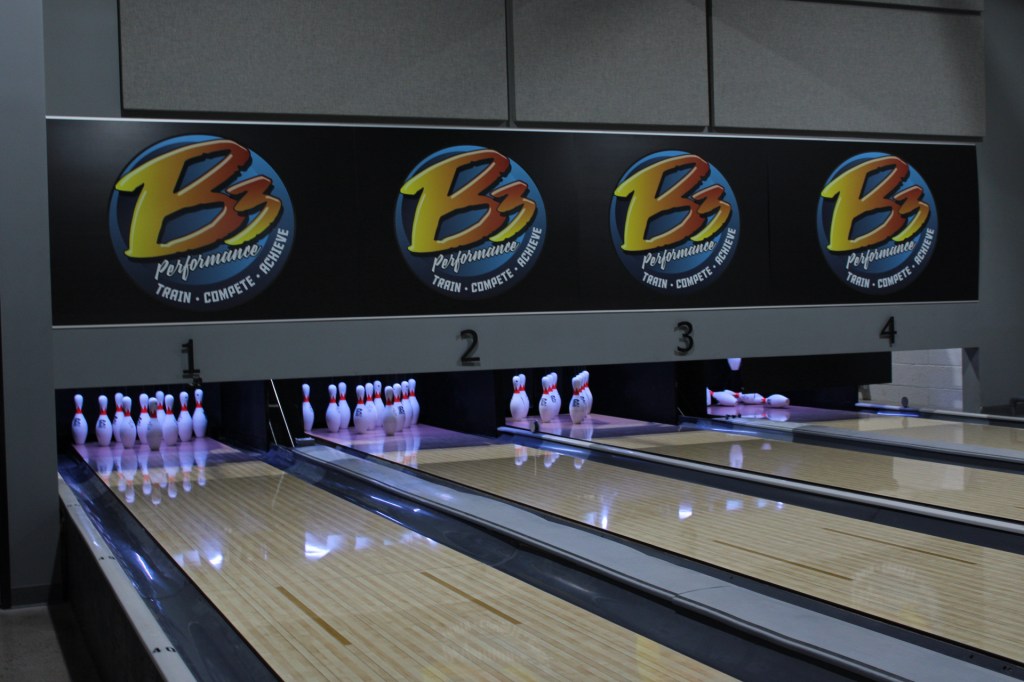
Both were good environments for the players to strengthen their skills.
The later practices after they concluded their official season were purely voluntary, yet due to their love of the sport, many players were in attendance.
“It’s a good distraction,” Cesar Padilla, president of the club, said, “it helps you as a person.”
The ASU Bowling Club overall served as an inspiration for youth looking to bowl.

